Are Branded Lanyards Still Effective in 2026
Apr 09, 2026 15:21
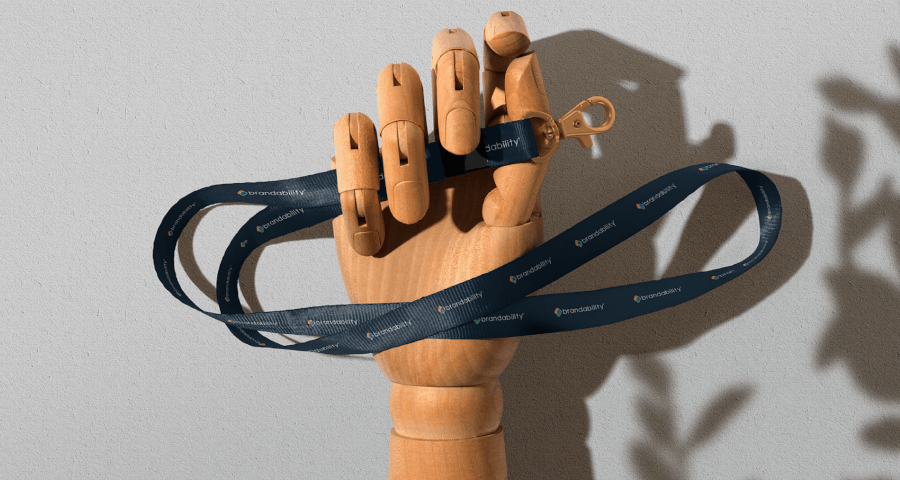
Lanyards have been a promotional staple for decades. They hold ID cards, keys and event passes while quietly displaying your logo to everyone in the room. But in 2026, with hybrid work, virtual events and tighter marketing budgets, businesses are starting to ask: are branded lanyards still worth ordering?
The short answer is yes but only when used in the right context. Here is what you need to know.
Why Lanyards Became Popular in the First Place
Branded lanyards took off in the 1990s and early 2000s as workplaces, schools and events scaled up. The reasons were practical: they kept ID cards visible, reduced the risk of losing access passes and offered a low-cost surface for branding. A lanyard is worn around the neck, which means your logo is at eye level for the entire duration of an event or workday. That kind of consistent visibility is difficult to achieve with most other promotional items at the same price point.
As corporate events and trade shows grew in size, lanyards became the default issue for organisers and sponsors alike. The habit stuck and for good reason.
Where Lanyards Still Work Extremely Well
Branded lanyards are not universally effective but in certain environments they remain one of the most practical and visible promotional tools available.
- Events: Trade shows, conferences, expos and festivals are where lanyards genuinely shine. Every attendee wearing your lanyard becomes a walking advertisement. Staff, sponsors and delegates all carry your branding throughout the venue. For event-focused businesses, lanyards deliver a strong cost-per-impression ratio.
- Offices: In workplaces that require ID badges or access cards, lanyards are worn daily. A well-designed lanyard reinforces company culture and keeps branding visible in client-facing environments.
- Schools: From primary schools to universities, lanyards are used daily by staff and students. Customised lanyards for school events, prefect roles or staff identification are consistently popular and practical.
Where They Don’t Work Anymore
Remote and hybrid workplaces have significantly reduced the daily use case for lanyards. If your team works from home most of the week, a branded lanyard is likely to sit in a drawer rather than be worn regularly. Similarly, if your target audience does not attend physical events or work in an access-card environment, the lanyard loses its functional hook and becomes just another piece of branded clutter.
Generic or low-quality lanyards can also do more harm than good. A flimsy lanyard with faded printing reflects poorly on a brand, particularly at premium business events where first impressions matter.
ROI of Branded Lanyards vs Other Promo Products
When measuring promotional product performance, cost per impression is a useful benchmark. Branded lanyards worn at a three-day conference or used daily in an office environment accumulate thousands of impressions per unit. Compared to printed flyers or digital ads, the sustained visibility of a physical product that is used daily holds real value.
The challenge is that lanyards only deliver this ROI when they are actually used. A lanyard given away at a once-off event where it is never worn again does not compare favourably with a tote bag, pen, or notebook that gets regular use. The context of distribution matters as much as the product itself.
How to Make Lanyards More Effective Today
If you want your branded lanyards to work harder, there are three areas worth investing in.
- Better design: Move beyond a basic logo on a plain ribbon. Consider custom colour matching to your brand palette, interesting typography, or a tagline that adds context to your branding. A lanyard that looks considered and well-made is more likely to be kept and worn.
- Better materials: Polyester is functional but standard. Woven lanyards, bamboo-fibre options, or soft-touch finishes stand out and signal quality. If sustainability matters to your audience, eco-friendly materials add another layer of value.
- Better use cases: Pair lanyards with matching ID card holders or badge reels for a complete kit. Offer them as part of a welcome pack rather than a standalone giveaway. The more embedded the lanyard is in a practical system, the more likely it is to be used consistently.
Final Verdict: Worth It or Not?
Branded lanyards are still effective in 2026 but they are not a one-size-fits-all solution. They work best when there is a genuine functional reason for someone to wear them: events, offices with access card requirements, schools and healthcare environments are all strong fits.
If your audience does not have a practical reason to wear a lanyard regularly, you are better off directing your promotional budget elsewhere. But when the fit is right, a well-designed branded lanyard remains one of the most cost-effective and consistently visible promotional products you can order.
Ready to order branded lanyards that actually get worn? Browse Brandability's full range of lanyards and find the right fit for your next event, office or campaign.
Recent Posts
- Beat The Year-End Rush: Why September Is The Time To Order Your Festive Corporate Gifts
- 25 Company Swag Ideas That Employees and Clients Will Actually Use
- Branded Merchandise That Works: How to Choose Products That Keep Your Brand Top of Mind
- How to Choose Corporate Gifts That Strengthen Business Relationships
- How to Choose Promotional Shirts That People Will Actually Wear
- How to Build a Corporate Clothing Programme Employees Are Proud to Wear