How to Choose Promotional Shirts That People Will Actually Wear
Sep 08, 2026 15:21
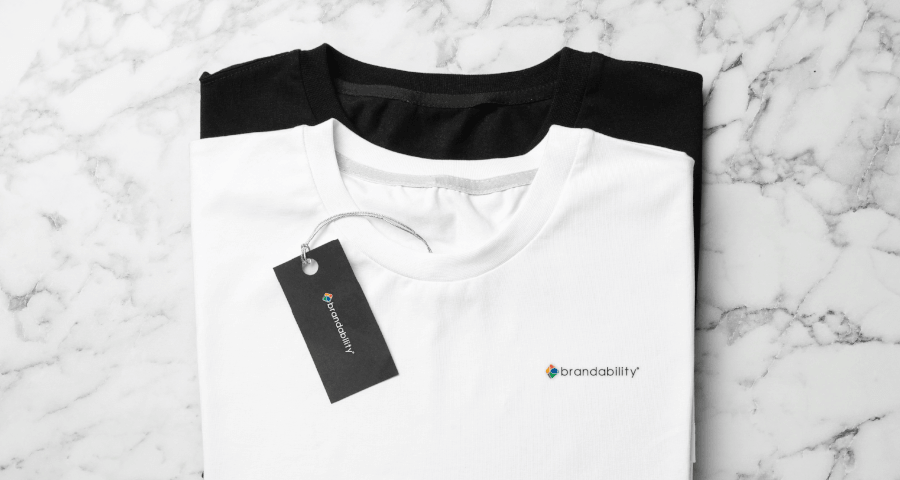
A promotional shirt that gets worn is one of the best marketing investments you can make: months of visibility for the price of a single garment. A shirt that stays folded in a cupboard is just fabric with your logo on it. Here's how to choose promotional shirts, from t-shirts to golf shirts, that people will actually wear.
When Do Promotional Shirts Make Sense?
Promotional shirts earn their place when there's an audience and a reason to wear them: staff at events and activations, teams you want unified, giveaways at launches and expos, sponsorships, fun runs and campaigns where a crowd in your colours makes a statement. They make less sense as one-size-fits-nobody gifts to executive clients, that's premium apparel territory, or when the budget only stretches to shirts so thin they won't survive a second wash. If you can picture exactly who will wear the shirt, and where, you're on solid ground.
Compare Shirt Types
Promotional t-shirts. The volume workhorse. Best for events, campaigns, giveaways and casual staff wear. Choose modern cuts and decent fabric weight, the difference between "free shirt" and "favourite shirt" is about 40 grams of cotton.
Promotional golf shirts. The South African corporate staple. Collared, smart-casual and appropriate almost everywhere, from client meetings to Friday golf. Ideal for staff uniforms and premium giveaways where a t-shirt feels too casual.
Long-sleeve and performance shirts. Great for outdoor activations, sports sponsorships and winter campaigns. Moisture-wicking performance fabrics cost more but get worn to gym, doubling your exposure.
Work and utility shirts. For field teams and industrial settings, durability and compliance come first; branding rides along on a garment that gets worn daily by necessity.
Compare Branding Methods
Screen printing. Bold, vibrant and cost-effective at volume. Best for large designs and big t-shirt runs. Colour counts affect cost, so simple designs print cheapest.
Digital (DTG) printing. Handles full-colour, detailed artwork with no colour limits. Ideal for small runs and complex designs, though less economical at large volumes.
Embroidery. Stitched, premium and extremely durable, the standard for golf shirts and corporate wear. Best for logos on the chest or sleeve; not suited to large, detailed artwork.
Heat transfer and vinyl. Flexible for names, numbers and small runs. Quality varies, so ask to see samples on the actual garment you're ordering.
As a rule of thumb: printing for t-shirts and big designs, embroidery for golf shirts and anything meant to look corporate.
Common Mistakes
Buying the cheapest shirt available. Promotional shirts that are cheap for the wrong reasons, thin fabric, poor stitching, wonky sizing, get worn once, if at all. There's a real difference between good value and false economy.
Ordering one "average" size range. Real audiences need S through 5XL, and ideally cuts that fit different body shapes well. Shirts that don't fit don't get worn, no matter how good the design.
Treating the shirt as a billboard. A giant logo across the chest turns a gift into an advert people won't wear at the weekend. Subtler branding gets more wears, and more impressions.
Ignoring fabric for the setting. Cotton for comfort and casual wear; performance fabrics for sport and outdoors; blends for durability through industrial washing.
Leaving it too late. Printing and embroidery take time, especially in peak season. Rushed orders limit your options on garment, method and quality checks.
How Long Should Promotional Shirts Last?
It's a question few suppliers answer, so here's an honest guide. A well-made promotional shirt should last one to three years of regular wear, and the range depends on four factors:
- Fabric quality. Heavier cotton (160 g/m² and up) and quality blends hold their shape and colour far longer than lightweight promo-grade fabric, which may only survive a season.
- Printing method. Embroidery typically outlasts the garment itself. Quality screen printing lasts years; cheap transfers can crack and peel within months.
- Frequency of washing. A shirt worn and washed weekly ages roughly four times faster than one in a monthly rotation. Cold washes and line drying, easy in South Africa, extend life significantly.
- Intended use. An event shirt worn twice will look new for years; a daily field-team shirt works hard and should be budgeted for replacement every 12 to 18 months.
If you want your brand to look good for years rather than weeks, spend slightly more on fabric and branding methods. The cost difference per shirt is small; the difference in how long your logo looks presentable is enormous.
FAQs
What's the most popular promotional shirt in South Africa? Golf shirts lead to corporate wear and t-shirts for events and campaigns. Caps make a natural pairing for outdoor activities.
Can I order small quantities? Yes, digital printing and embroidery both suit small runs. Minimums vary by garment and method, so check before designing.
Are cheap promotional shirts worth it? For once-off events where volume matters most, budget shirts have a place. For anything worn repeatedly, mid-range quality repays itself many times over in extra wear.
How long does production take? Typically a few working days after artwork approval, with express options for tight deadlines. Build in extra time during the year-end peak season.
Shirts People Choose to Wear
The best promotional shirts don't feel promotional, they feel like clothing people would have bought anyway, with your brand along for every wear. At Brandability, we supply and brand promotional shirts across South Africa, from t-shirts printed for event crowds to embroidered golf shirts your team will wear with pride, with expert advice on fabrics and branding methods and free nationwide delivery on qualifying orders. Visit our website to find the right shirt for your next campaign.
Recent Posts
- Branded Summer Essentials: Sun-Smart Promo Products For The South African Heat
- Pink October: Branded Merchandise for Breast Cancer Awareness Campaigns and Corporate Wellness Days
- Beat The Year-End Rush: Why September Is The Time To Order Your Festive Corporate Gifts
- 25 Company Swag Ideas That Employees and Clients Will Actually Use
- Branded Merchandise That Works: How to Choose Products That Keep Your Brand Top of Mind
- How to Choose Corporate Gifts That Strengthen Business Relationships